
Whether you're looking to save money, reduce fuel consumption, or minimize your environmental impact, most drivers in Tullahoma & Winchester are interested in getting the most out of every gallon. We've all heard different tips for improving fuel economy, but do they really make a difference? How much can preventive maintenance and mindful driving actually save us?
Fortunately, the U.S. government has data to answer these questions. Let’s explore some key findings and see which fuel-saving strategies are truly worth the effort.
The Impact of Routine Maintenance
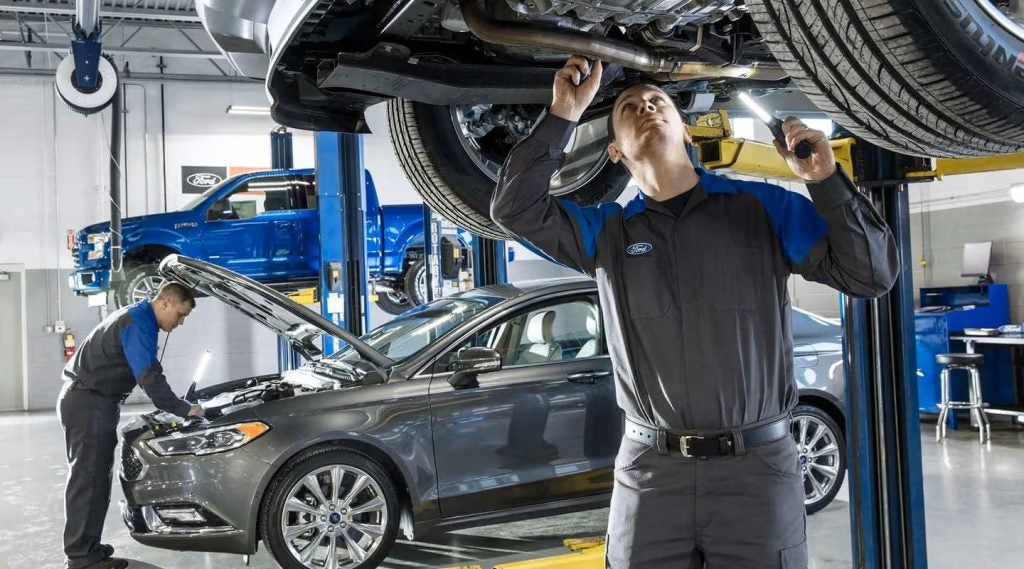
We've all heard that regular tune-ups improve gas mileage, and it turns out that’s true! A proper tune-up can boost fuel efficiency by 4%. That translates to saving 14¢ per gallon when gas costs $3.50, or 16¢ per gallon when it's $4.00.
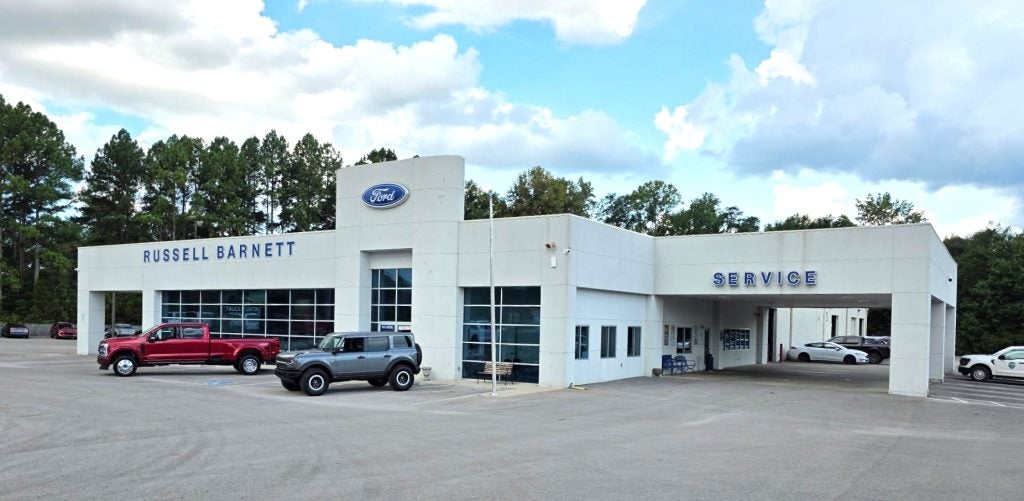
Other repairs also contribute to savings at the pump. Take your oxygen sensor, for example—if it's faulty, your engine isn’t getting accurate fuel-to-air ratio data, which leads to inefficient fuel burning. Replacing a bad oxygen sensor can improve fuel efficiency by an impressive 40%. That’s a strong reason to stay on top of vehicle maintenance and have the experts at Russell Barnett Automotive Family inspect your car regularly.
A malfunctioning oxygen sensor often triggers the check engine light, but so do many other issues that negatively impact fuel economy. If your light is on, bring your vehicle to Russell Barnett Automotive Family in Tullahoma & Winchester for a thorough inspection.
Tires and Oil: Small Fixes, Big Savings
Tire pressure plays a bigger role in fuel efficiency than many people realize. Keeping your tires properly inflated can increase gas mileage by 3%. Even minor drops in pressure can add up over time, so make it a habit to check your tires weekly.
Using the correct motor oil for your vehicle is another simple way to improve efficiency. Choosing the right oil viscosity can save you 2% at the pump—yet another reason to follow manufacturer recommendations.
Does Driving Style Really Matter?
Unlike maintenance, adjusting your driving habits doesn’t require a trip to the service center—it’s something you can do right now at no cost. But is it worth the effort?
The answer is a resounding yes. Aggressive driving, such as rapid acceleration, sudden braking, and quick lane changes, significantly reduces fuel efficiency. Driving smoothly can save you 5% on gas around town and an incredible 33% on the highway. That’s a big difference!
Speeding is another common fuel waster. Many people assume driving just a few miles over the limit doesn’t make much of a difference, but that’s not true. Driving five mph over the speed limit can reduce fuel efficiency by 7%, and going 15 mph over can cost you up to 23% more per gallon. Slowing down not only saves money but also helps avoid expensive speeding tickets.
Reduce Unnecessary Weight
Another no-cost way to boost fuel economy is to lighten your load. Carrying around unnecessary items in your trunk or backseat turns your car into a gas-guzzling storage unit. Removing just 100 pounds of extra weight can improve fuel efficiency by 2%.
So, the next time someone asks for a ride, you might jokingly tell them, “Sorry, but you're costing me an extra fifteen cents per gallon!”
The Bottom Line: Drive Smart and Save
By keeping up with routine maintenance, driving more efficiently, and reducing excess weight, you can stretch your fuel dollars further. Making small changes can add up to big savings over time. So, let's take better care of our cars, drive smarter, and enjoy the financial benefits—because every cent counts!