

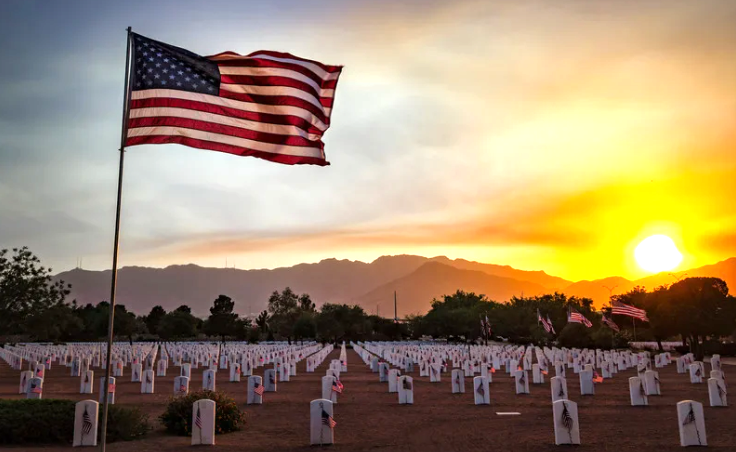
Each year, as the final Monday in May draws near, Americans pause to take part in one of our nation’s most sacred traditions: Memorial Day. More than just a long weekend or the gateway to summer, this sacred day is a heartfelt tribute to the brave men and women who laid down their lives in service to our country.
A Quiet Beginning with a Powerful Purpose
Memorial Day began not with celebration, but with reverence. In the years following the Civil War, a conflict that claimed more American lives than any other, communities across the country came together to honor their fallen. They laid flowers, offered prayers, and stood in silence at the graves of soldiers who had given everything.
In 1868, this growing tradition was formalized when General John A. Logan declared May 30 as “Decoration Day,” a time for the nation to remember its Civil War dead. Over time, as the United States faced new conflicts and lost more of its sons and daughters to war, the day expanded to honor all military personnel who made the ultimate sacrifice. In 1971, Memorial Day was established as a federal holiday, observed on the last Monday of May.
More Than a Day Off
Though Memorial Day often brings the sounds of laughter, cookouts, and summer sunshine; at its heart, it’s a day of remembrance. It’s a time to honor the courage, sacrifice, and love of country that led so many to give their lives in defense of freedom.
For many families, this is a deeply personal day, a time to visit gravesites, share stories, or simply sit in quiet remembrance. Across the country, flags are lowered to half-staff, flowers are placed with trembling hands, and prayers are whispered through tears.
The Traditions That Carry the Meaning Forward
Memorial Day is marked by timeless traditions that keep its meaning alive:
- Cemetery Visits: Families visit the final resting places of loved ones, decorating graves with flags, flowers, and personal tokens of remembrance.
- The National Moment of Remembrance: At 3 p.m. local time, Americans pause for one minute of silence to honor those who gave their lives. It’s a moment of unity, and an entire nation holding its breath in collective gratitude.
- Parades and Ceremonies: Many communities host Memorial Day parades, featuring veterans, military members, and patriotic tributes that celebrate and remember those who served.
- Flag Etiquette: From sunrise to noon, the American flag is flown at half-staff, symbolizing mourning. At noon, it’s raised to full-staff, signifying the resilience of those left behind and our commitment to uphold the values the fallen fought for.
Memorial Day in Today’s America
While our world has changed over the decades, the importance of Memorial Day remains. Whether through a social media tribute, a quiet moment alone, or a child placing a handmade card at a headstone, the spirit of remembrance endures.
Teachers tell stories of heroes in classrooms. Veterans share memories of those they served beside. And families pass down the legacy of loved ones who gave everything so that others might live in peace and freedom.
Holding on to What Matters
It’s easy to lose sight of Memorial Day’s purpose amidst the sales, the travel plans, and the start-of-summer buzz. But even amid the fun, there is space for gratitude and honoring those who never came home.
Take a moment this Memorial Day to look at the flag differently, to pause and reflect on the cost of the freedoms we enjoy. Speak the names of the fallen. Thank a veteran or a military family. Attend a local remembrance event or simply offer a moment of silence. Because at its core, Memorial Day isn’t just a date on the calendar. It’s a sacred reminder that freedom is never free, and that behind every flag waving in the breeze is a life remembered, a story honored, and a sacrifice that will never be forgotten.
Connect with us


