

Did You Know…?

Improving Your Fuel Economy
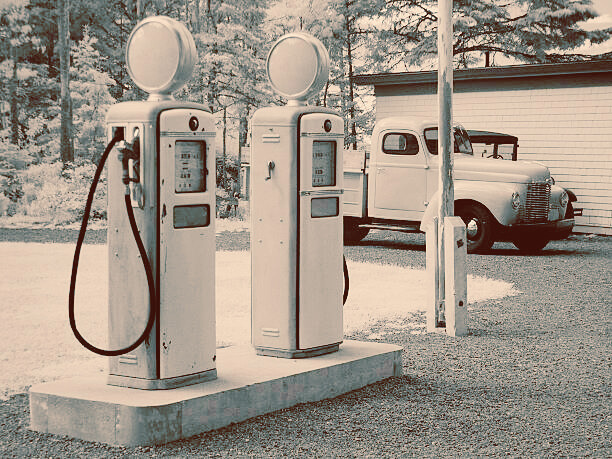
Whether you’re looking to save money, reduce fuel consumption, or minimize your environmental impact, most drivers in Tullahoma & Winchester are interested in getting the most out of every gallon. We’ve all heard different tips for improving fuel economy, but do they really make a difference? How much can preventive maintenance and mindful driving actually save us?
Fortunately, the U.S. government has data to answer these questions. Let’s explore some key findings and see which fuel-saving strategies are truly worth the effort.
The Impact of Routine Maintenance
We’ve all heard that regular tune-ups improve gas mileage, and it turns out that’s true! A proper tune-up can boost fuel efficiency by 4%. That translates to saving 14¢ per gallon when gas costs $3.50, or 16¢ per gallon when it’s $4.00.
Other repairs also contribute to savings at the pump. Take your oxygen sensor, for example—if it’s faulty, your engine isn’t getting accurate fuel-to-air ratio data, which leads to inefficient fuel burning. Replacing a bad oxygen sensor can improve fuel efficiency by an impressive 40%. That’s a strong reason to stay on top of vehicle maintenance and have the experts at Russell Barnett Automotive Family inspect your car regularly.
A malfunctioning oxygen sensor often triggers the check engine light, but so do many other issues that negatively impact fuel economy. If your light is on, bring your vehicle to Russell Barnett Automotive Family in Tullahoma & Winchester for a thorough inspection.
Tires and Oil: Small Fixes, Big Savings
Tire pressure plays a bigger role in fuel efficiency than many people realize. Keeping your tires properly inflated can increase gas mileage by 3%. Even minor drops in pressure can add up over time, so make it a habit to check your tires weekly.
Using the correct motor oil for your vehicle is another simple way to improve efficiency. Choosing the right oil viscosity can save you 2% at the pump—yet another reason to follow manufacturer recommendations.
Does Driving Style Really Matter?
Unlike maintenance, adjusting your driving habits doesn’t require a trip to the service center—it’s something you can do right now at no cost. But is it worth the effort?
The answer is a resounding yes. Aggressive driving, such as rapid acceleration, sudden braking, and quick lane changes, significantly reduces fuel efficiency. Driving smoothly can save you 5% on gas around town and an incredible 33% on the highway. That’s a big difference!
Speeding is another common fuel waster. Many people assume driving just a few miles over the limit doesn’t make much of a difference, but that’s not true. Driving five mph over the speed limit can reduce fuel efficiency by 7%, and going 15 mph over can cost you up to 23% more per gallon. Slowing down not only saves money but also helps avoid expensive speeding tickets.
Reduce Unnecessary Weight
Another no-cost way to boost fuel economy is to lighten your load. Carrying around unnecessary items in your trunk or backseat turns your car into a gas-guzzling storage unit. Removing just 100 pounds of extra weight can improve fuel efficiency by 2%.
So, the next time someone asks for a ride, you might jokingly tell them, “Sorry, but you’re costing me an extra fifteen cents per gallon!”
The Bottom Line: Drive Smart and Save
By keeping up with routine maintenance, driving more efficiently, and reducing excess weight, you can stretch your fuel dollars further. Making small changes can add up to big savings over time. So, let’s take better care of our cars, drive smarter, and enjoy the financial benefits—because every cent counts!
Did You Know…?
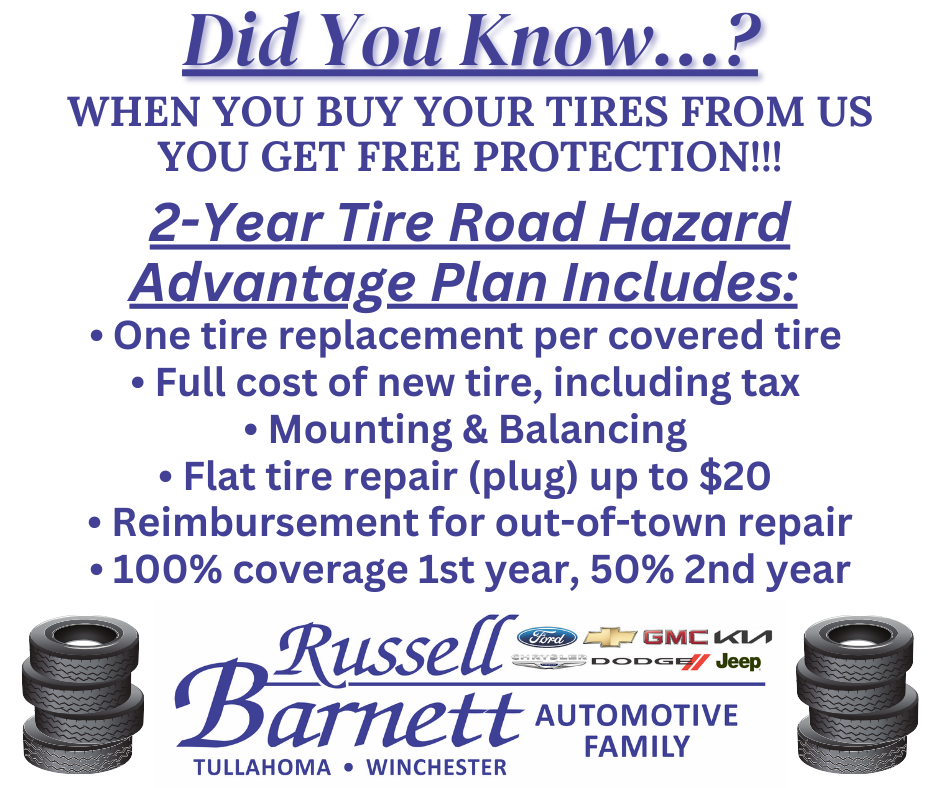
Are Your Tires Safe?
Extend Your Vehicle’s Tire Life with These Essential Tips
Keeping your tires in top condition not only saves money but also enhances safety and performance. Follow these key practices to maximize their lifespan:
1. Maintain the Right Tire Pressure
- Check tire pressure at least once a month and before long trips.
- Inflate tires to the manufacturer’s recommended PSI, found in the owner’s manual or on the driver’s side doorjamb.
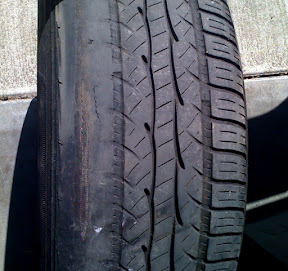
- Underinflated tires wear out on the edges, while overinflated ones experience excessive center wear.
2. Rotate Tires Consistently
- Rotate your tires every 5,000 to 7,500 miles, or as advised by your vehicle’s manufacturer.
- Regular rotations ensure even tread wear and prolong tire life.
3. Schedule Wheel Alignments
- Misaligned wheels lead to uneven wear and shorten tire longevity.
- If you notice vibrations, pulling, or uneven tread wear, get an alignment check.
4. Keep Tires Balanced
- Unbalanced tires can cause vibrations and premature wear.
- Balance tires when installing new ones or if you experience shaking at certain speeds.
5. Practice Smooth Driving Habits
- Avoid harsh acceleration, sudden braking, and sharp turns, which speed up tire wear.
- Drive cautiously over potholes, curbs, and rough terrain to prevent damage.
6. Inspect Suspension Components
- Worn shocks, struts, and ball joints contribute to uneven tire wear.
- Have your suspension system checked periodically to maintain tire health.
7. Monitor Tire Condition and Tread Depth
- Regularly inspect tires for cracks, bulges, cuts, or embedded objects.
- Use the penny test: Insert a penny into the tread with Lincoln’s head facing downward—if you can see the top of his head, it’s time for new tires.
8. Avoid Excessive Loads
- Overloading your vehicle puts extra strain on the tires, leading to faster wear.
- Follow the manufacturer’s recommended load capacity.
9. Store Tires Properly When Not in Use
- Keep seasonal or spare tires in a cool, dry place away from sunlight and chemicals.
- Store them upright or stacked correctly to prevent deformation.
10. Choose the Right Tires for Your Needs
- Select tires that match your driving conditions, such as all-season, winter, or performance tires.
- Investing in high-quality tires can improve durability and longevity.
By following these essential tips, you can extend the lifespan of your tires and enjoy a safer driving experience. Safe travels!
A Stitch In Time (Winter Battery Checkup)
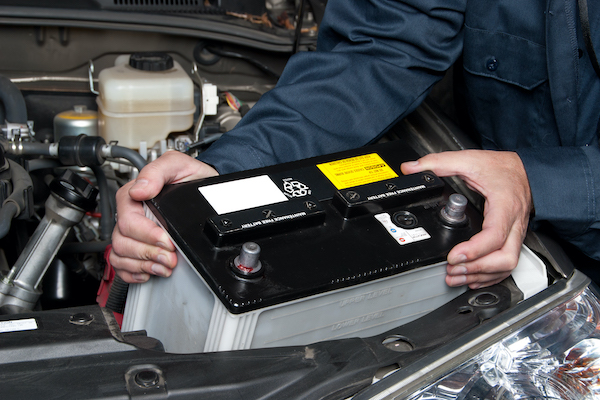
You probably have heard that expression, “A stitch in time saves nine.” In other words, if you fix an issue at its early stages, it will prevent a much more difficult problem later. That’s certainly the case with your vehicle, and here’s a true story to demonstrate it.
A driver noticed his vehicle was due for an oil change, so he took it in to his service facility early in the morning so he could wait while the work was performed. The technician routinely checks the battery on vehicles just before extreme weather is approaching (cold or hot), so with winter coming up, he hooked up the load tester (it measures voltage while a load is put on the battery). It showed the battery wasn’t holding a charge well.
The technician checked the manufacturing date on the battery, too (most batteries have a date stamped in code somewhere on them). The date showed it was five years old. While batteries can last more than five years, many technicians say you should expect to get anywhere from three to six years out of them, depending on what they go through.
So, this battery was getting a little long in the tooth, and it wasn’t holding a charge particularly well. But how much current was it being sent by the vehicle’s alternator? If it wasn’t getting enough, that might be a factor. A test of the charging system showed the alternator was putting out the correct amount of power. The technician recommended replacing the battery, and the driver agreed.
That was the stitch in time. Had the technician not checked the battery, that driver likely would have been stranded the next time he tried to start his vehicle on a very cold day. What originally was supposed to be just an oil change led to a technician’s sharp diagnosis and a little preventative maintenance for one fortunate driver. Sometimes timing is everything.
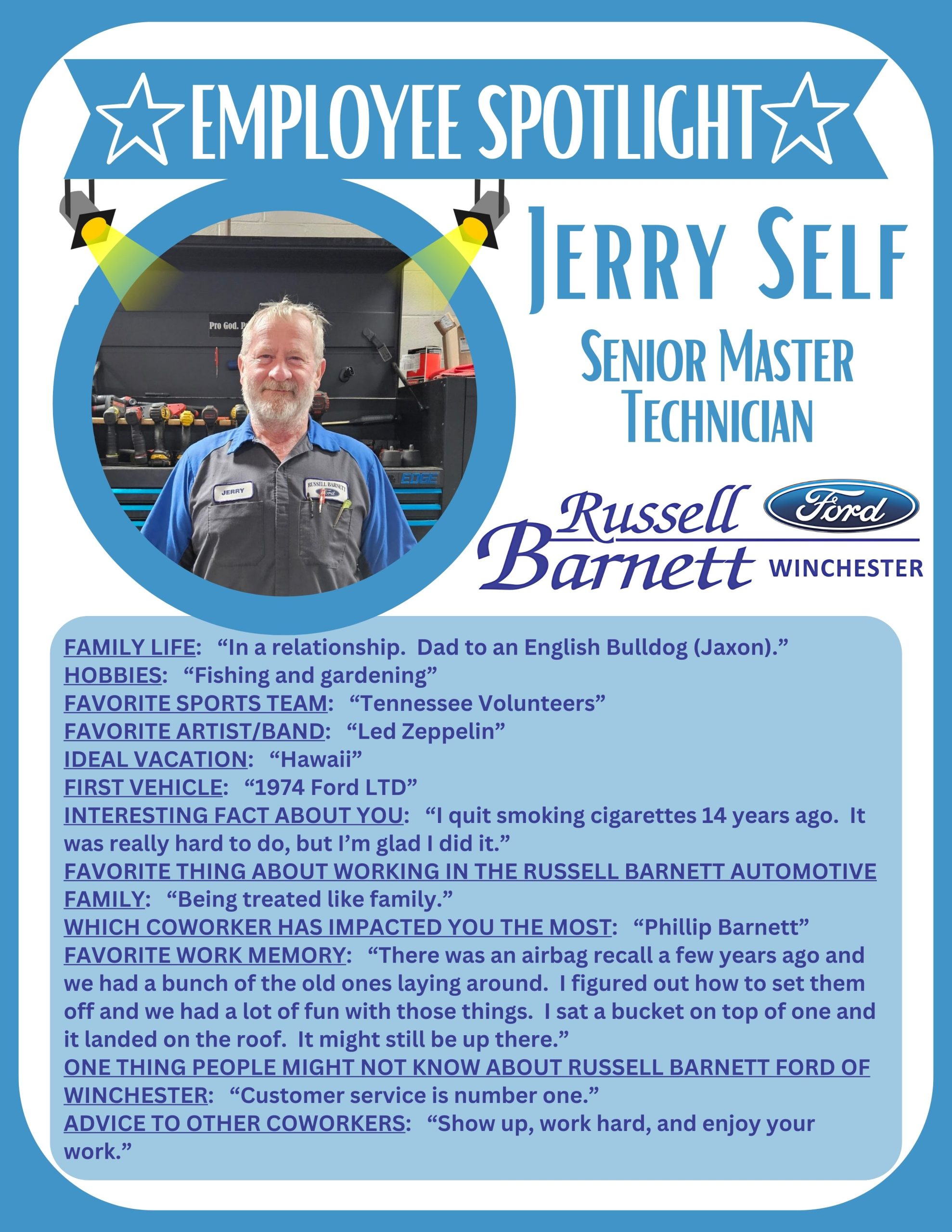
Employee Spotlight
Annual Christmas Party

Every year the Russell Barnett Automotive Family hosts a Christmas party for all of our employees and their guests. Our employees work so hard throughout the year, and this gives us a chance to show our appreciation for them with great food, gifts, and some really fun games. The party gets a little bigger every year as our wonderful automotive family continues to grow.

While everyone is together, it is a perfect time to recognize our employees’ achievements as they reach goals and milestones in their careers. From welcoming new employees to celebrating someone’s 30th year (or more) with us, or from celebrating a salesperson’s first vehicle sold to celebrating a 5,000th vehicle sold – there are always plenty of achievements to be proud of as our employees advance through various stages of their careers.

Most importantly, our annual Christmas party is a chance for everyone to get together and celebrate the holiday season. It’s easy to stay focused on the work and lose sight of the more important things in life, but Russell always makes sure to give back. If there’s one thing that has always mattered the most to Russell Barnett, it’s taking care of people. This includes his family, employees, customers, friends, and the surrounding communities.

Let’s have another spectacular Christmas season together, and then get ready for another great year with the Russell Barnett Automotive Family!
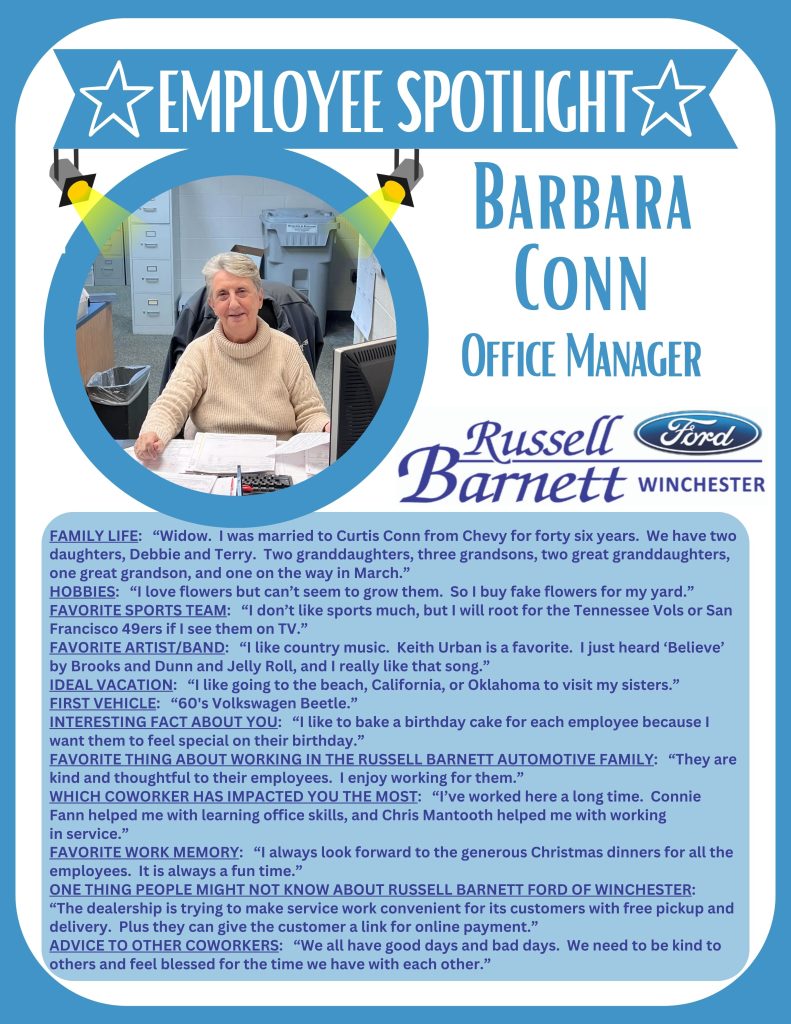
Did You Know…?
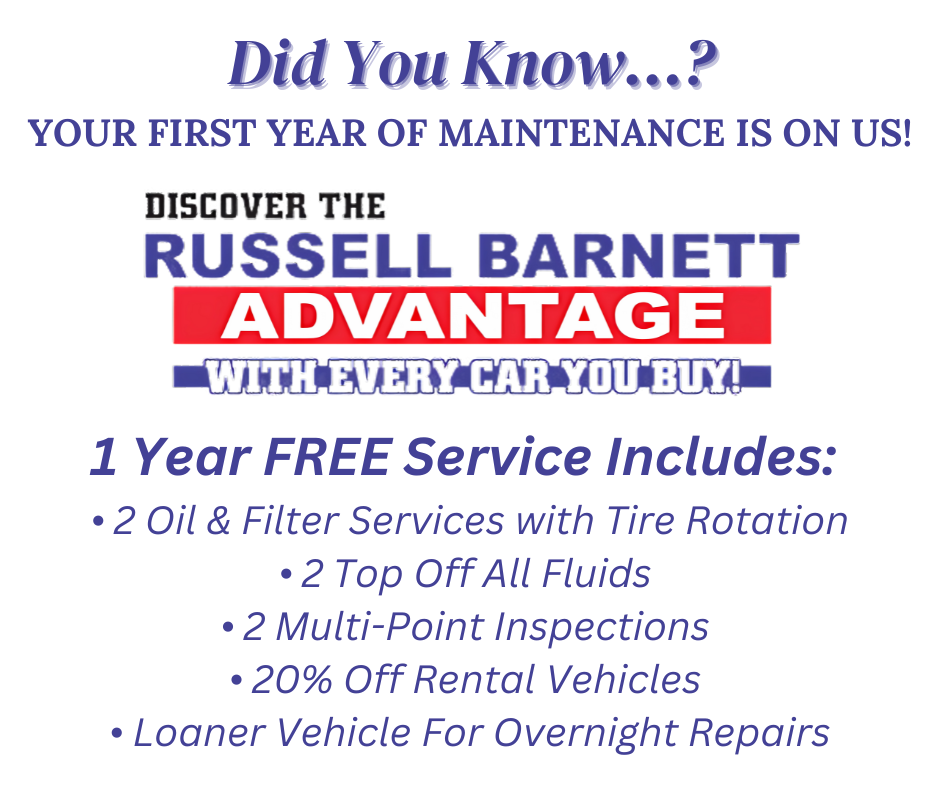
Employee Spotlight
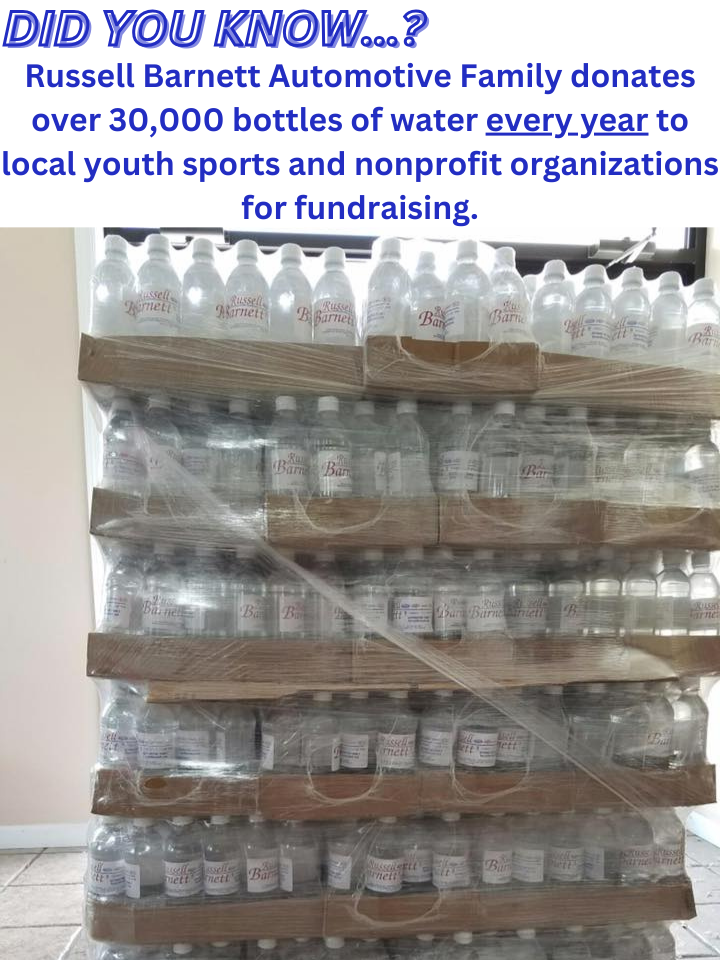
Did You Know?
Connect with us


